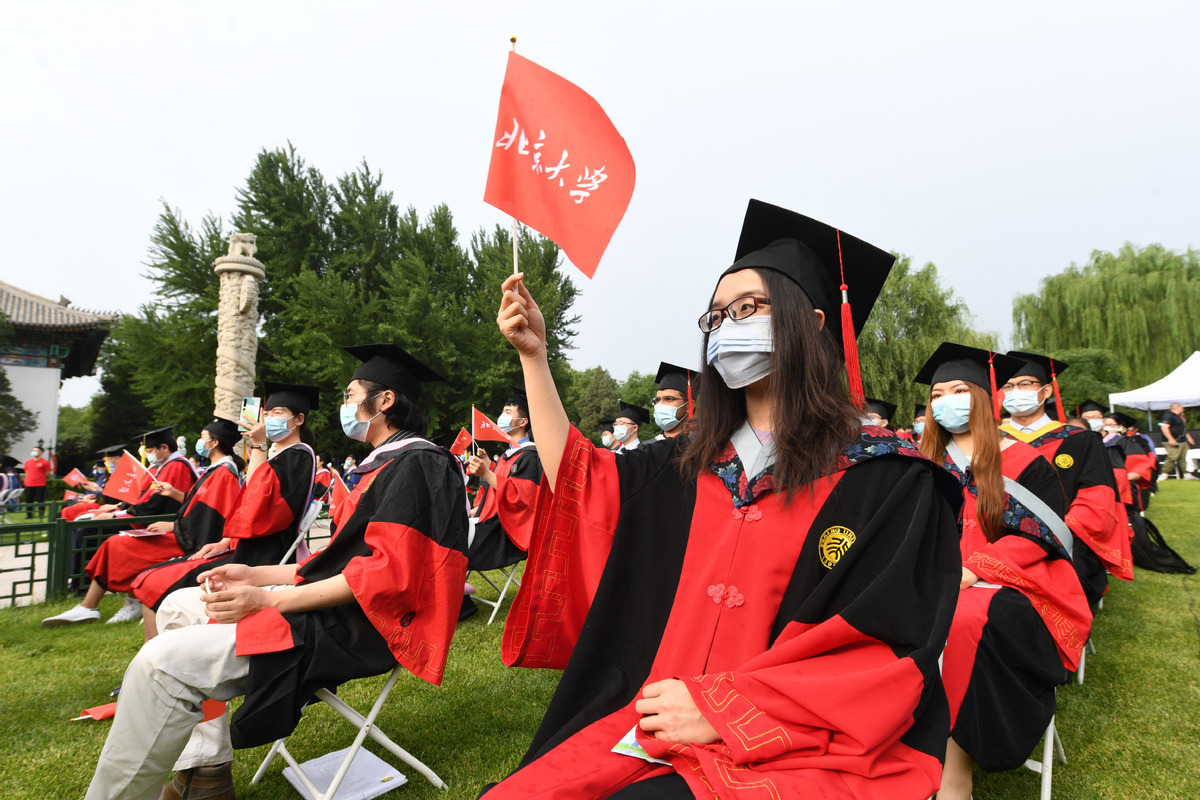
Peking University
Introduction
Peking University, originally established as the Imperial University of Peking in 1898, holds the distinction of being China’s first national comprehensive university. It served as the supreme educational authority of its time, laying the groundwork for future academic endeavors in the country. Over the decades, Peking University has evolved into a celebrated institution of higher learning that seamlessly integrates humanities and sciences. The university has maintained its status as a beacon of academic excellence and innovation, fostering top-quality students and pioneering scientific advancements. With a commitment to nurturing creativity and fostering international exchange, Peking University stands at the forefront of global academic research and education.
History
Founding and Early Years
The establishment of the Imperial University of Peking in 1898 marked a significant milestone in China's educational landscape. As the first national comprehensive university, it symbolized a crucial step towards modernizing the country's education system. During its early years, the university focused on developing fundamental educational frameworks, setting a precedent for future academic institutions in China. It was designed to serve as a hub for comprehensive education, research, and cultural exchange, bringing together scholars from various disciplines to advance knowledge and innovation.
Development and Expansion
The transformation of Peking University over the years has been nothing short of remarkable. The founding of the People's Republic of China in 1949 ushered in a new era for the university, leading to its expansion into a comprehensive institution encompassing both humanities and sciences. The reform and opening-up of China in 1978 further accelerated the university's growth, propelling it into new realms of academic and research activities. The merger with Beijing Medical University in 2000 marked a significant step in broadening the scope of its educational offerings, encompassing fields such as science, engineering, medicine, agriculture, humanities, and social sciences. Supported by initiatives like the “211 Project” and the “985 Project,” Peking University has continuously optimized its disciplines, cultivated talents, and advanced teaching and scientific research capabilities, paving the way to becoming a world-class institution.
Modern Era
In the modern era, Peking University continues to uphold its legacy of academic excellence and innovation. It has established itself as a cradle of top-quality and creative students and acts as a major source for cutting-edge science and knowledge innovation. It plays a pivotal role in fostering international exchange, collaborating with universities and research institutions worldwide. The university's commitment to refining its system of international education and nurturing global talents has further solidified its reputation on the world stage. With a focus on cross-disciplinary education and innovative research modes, Peking University is dedicated to meeting national strategic needs and contributing to the development of a human community with a shared future.
Campus
Location and Facilities
Peking University's campus, often referred to as Yan Yuan, is situated in the vibrant city of Beijing, China. The campus blends traditional Chinese architecture with modern facilities, creating an environment conducive to academic pursuits and cultural exchange. It hosts an array of state-of-the-art facilities, catering to the diverse needs of its academic, research, and student communities. The university's commitment to providing top-notch educational resources is reflected in its expansive infrastructure, which includes advanced laboratories, lecture halls, residential areas, and recreational spaces.
Libraries and Museums
The libraries and museums at Peking University are a testament to its rich academic and cultural heritage. The university's library system is one of the largest in Asia, housing a vast collection of books, journals, and digital resources that support the scholarly needs of students and researchers. It serves as an essential resource for academic inquiry and intellectual growth. The museums on campus, showcasing a range of collections from art and history to science and technology, provide additional avenues for exploration and learning. These institutions not only enhance the academic environment but also contribute to the cultural vibrancy of the university community.
Academics
Faculties and Schools
Peking University is structured into six main faculties: Humanities, Social Sciences, Economics and Management, Science, Information Technology and Engineering, and Health Science. Within these faculties, the university comprises 55 schools and departments, each offering a diverse range of academic programs designed to meet the educational and research needs of students. The university's academic framework emphasizes a balance between general and professional education, fostering an environment that encourages interdisciplinary learning and collaboration among different fields of study.
Research Institutes
Peking University is home to 60 research entities that drive innovation and contribute to the university's reputation as a leader in academic research. These institutes focus on a wide array of disciplines, from fundamental sciences to emerging fields such as digital humanities and core carbon-neutral science and technology. They serve as hubs for scientific inquiry, where scholars engage in pioneering research that addresses global challenges and advances knowledge. The university's commitment to fostering a dynamic research environment is reflected in its support for cross-disciplinary programs and initiatives, which empower researchers to push the boundaries of traditional disciplines.
Notable Alumni
Peking University boasts an impressive roster of notable alumni who have made significant contributions to various fields worldwide. Its graduates are leaders in academia, industry, politics, and culture, reflecting the university's role in nurturing talents that lead the world to the future. The university's emphasis on creativity, innovation, and leadership has equipped its alumni with the skills and knowledge to excel in their respective domains.
International Collaboration
Peking University is a key player in fostering international collaboration and exchange. It has partnered with nearly 400 universities and research institutions across more than 60 countries and regions. These collaborations facilitate joint research endeavors, student and faculty exchanges, and the sharing of academic resources and expertise. Through its international partnerships, Peking University aims to advance global scientific research, cultivate world-class talents, and contribute to a global academic community that fosters innovation and diversity.
Cultural Impact
The cultural impact of Peking University extends beyond academia, influencing society at large. The university is a vibrant center for cultural exchange, offering a platform for students and scholars from diverse backgrounds to engage in dialogue and share ideas. Its role in shaping cultural and social progress is reflected in its efforts to build a community with a shared future, promoting mutual understanding and cooperation across cultural boundaries.
Rankings and Reputation
Peking University is consistently ranked among the top universities globally, recognized for its academic excellence, research output, and contributions to society. Its reputation as a world-class institution is bolstered by its continuous efforts to innovate and lead in various fields of study. The university's emphasis on quality education, cross-disciplinary research, and international collaboration has solidified its standing as a premier educational institution dedicated to shaping the future of higher learning. Photo Gallery(2 pictures)CategoriesCultural FacilityTagCollegeModern and Contemporary Chinese HistoryRelatedKunqu OperaHu ShiLongshan CultureBing XinCatalogue1. Introduction2. History3. Campus4. Academics5. Notable Alumni6. International Collaboration7. Cultural Impact8. Rankings and Reputation- - - []








